

Gallery
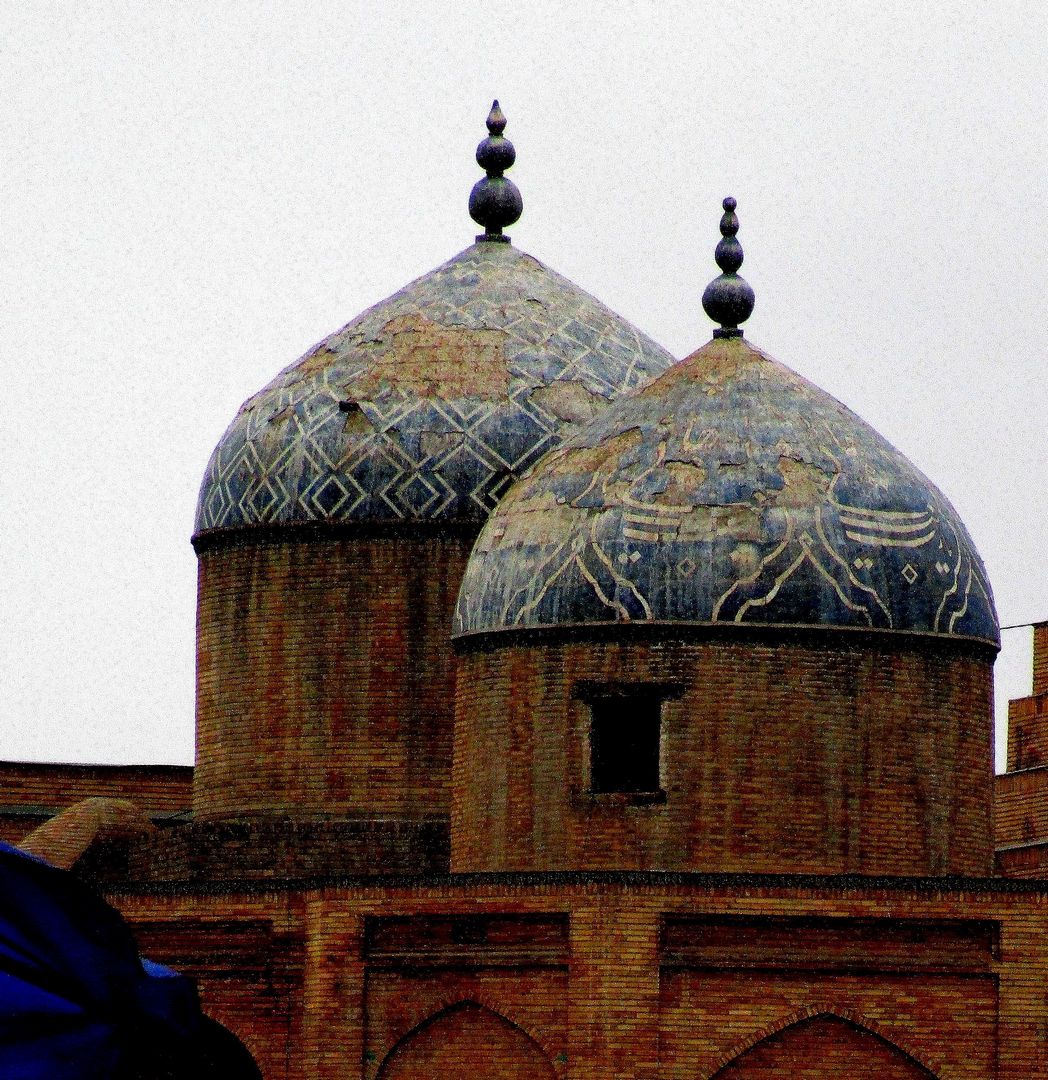
Description
Property Name: Mausoleum of Sheik Muslihiddin
Inventory No: 992-34-1
Date of infill of the inventory form: 2008-02-13
Country (State party): Tajikistan
Province: Khujand
Town:
Geographic coordinates: 40°16’45.79″N
69°37’50.92″E
Historic Period:
Year of Construction: 11th –14th centuries
Style:
Original Use: Mausoleum
Current Use: Mausoleum
Architect: Unknown
Significance
The Mausoleum was erected over the grave of the spiritual Sufi leader Sheik Muslihiddin highly esteemed in the region, who lived in the 8th–9th centuries. It was a small mosque (11th–12th centuries) erected near the holy grave, a place of great spiritual value that was enlarged at least once later. One of the most significant construction periods is in the 14th century (1342–43) when a beautifully decorated portal was erected. It is faced with beautiful Islamic motives and inscriptions as well as using non-glazed carved terracotta and polychrome glazed carved terracotta, combined with various types of majolica and its incrustations into terracotta. It shows the early stage of transmission from monochrome decoration to poly-chrome and is a rare or unique example in the whole of Central Asia. The portal design follows a decoration of painted clay mihrab niche (11th–12th centuries) of the building, also a rare or unique preserved example in the region.
Selection Criteria
vi. to be directly or tangibly associated with events or living traditions, with ideas, or with beliefs, with artistic and literary works of outstanding universal significance.
State of Preservation
The most recent technical examination of the building shows that its condition, on the whole, is stable for the moment, but despite there being no cracks and other visual damage, it is overall inadequate. Restoration works with inauthentic materials, such as concrete and bitumen, insufficient water insulation, and damp reduction, done in the 1980s, have brought many problems to the building. Original brickwork is highly affected by water and salts moving and excreting. There are many signs of recent plaster falls, new leaks are appearing and condensation areas despite annual maintenance. Permanently very high humidity inside the building is not suitable for its wooden and clay items and paintings and visitors. Emergency works should be done as soon as possible, correcting restoration mistakes and stopping the monument’s deterioration processes.
References
Web Resources